
Casino advertising rules in New Zealand
| Topic | Current position | Practical effect | Important caveat |
|---|---|---|---|
| Online casino advertising | Prohibited to NZ customers during transition | DIA provider guidance | A casino listed here is not officially approved |
| Existing providers | May continue subject to transitional provisions | No new entrants during transition | Status can change as applications are filed |
| 1 Dec 2026 | Non-applicants must cease NZ operations | Applicants may operate without advertising while assessed | Auction right to apply is not a granted licence |
| TAB NZ sports/racing | Domestic provider exception for betting | Different legal category from online casino gambling | Casino bonus comparison does not apply |
Examples explain how these conditions work. Check the current rules and terms that apply to you.
In October 2026, online casinos still cannot advertise to people in New Zealand. That includes welcome bonuses, deposit matches and free spins. The Department of Internal Affairs (DIA) says the prohibition remains in force while licences are considered under the Online Casino Gambling Act 2026. Winning a licence auction gives a provider the right to apply, not permission to advertise.
TAB NZ and authorised sports and racing betting brands follow different rules. A TAB bonus-bet promotion may be lawful even when an equivalent offer from an offshore casino is not. The first question is who is advertising, and for which gambling product.

Can gambling bonuses be advertised in New Zealand?
| Offer or advertiser | Position in October 2026 | What to check |
|---|---|---|
| Offshore or domestic online casino bonus | Online-casino advertising to New Zealanders is prohibited during the current licensing transition. | A foreign gambling licence, a NZ-facing website or a successful licence auction bid does not authorise advertising. |
| TAB NZ sports or racing bonus bet | Advertising may be permitted under the separate racing and sports-betting regime, subject to applicable advertising standards. | Operator authorisation, audience targeting, accuracy, conditions and harm-related messaging. |
| Land-based casino, lottery or other authorised gambling promotion | Subject to the rules for that specific gambling product, venue and advertiser. | Do not assume online-casino rules govern every gambling advertisement. |
| Online-casino promotion after an NZ licence is granted | Potentially permitted only within the strict scope of the licence and the Online Casino Gambling Regulations 2026. | Publication channel, bonus eligibility, value caps, direct-marketing consent and age protections. |
Section 16 of the Gambling Act 2003 restricts overseas gambling advertising, subject to exceptions. Section 10 of the Online Casino Gambling Act 2026 provides a route for authorised, licensed casino advertising. An overseas website accepting New Zealand customers does not by itself have the right to market to them.
Which rules apply to a bonus advertisement?

Gambling law and operator authorisation
The DIA administers online-casino licensing. The Act took effect on 1 May 2026, followed by regulations on 3 July. Up to 15 licences are available, with licensing expected to begin in early 2027. From 1 December 2026, providers that do not apply must stop operating. Those covered by the transitional exemption may continue while an application is assessed, but still cannot advertise.
New Zealand advertising standards
The Advertising Standards Authority (ASA) Gambling Advertising Code covers gambling ads across media. Rule 1(a) protects children and young people, Rule 1(b) addresses gambling harm, and Rule 2(a) requires truthful presentation. Conditions must be clear, easy to find and consistent with the promise in the ad. Passing an ASA assessment does not displace a statutory prohibition.
Platform and marketing-channel policies
Google Ads has a separate Gambling and games policy, including country eligibility and advertiser certification. Approval by Google, a social network or an ad exchange does not grant an NZ casino licence. A legal campaign must still meet platform-specific restrictions on targeting, age and destination pages.
How New Zealand's online-casino bonus limits will work for licensed operators
Regulation 13 of the Online Casino Gambling Regulations 2026 defines an inducement by its purpose: encouraging someone to open or access an account, deposit money or gamble. A welcome bonus, deposit match, free spins, cashback or promotional credit may qualify, regardless of the marketing name.
| Rule for future licensed operators | Practical meaning |
|---|---|
| Inducement without spending uncommitted funds | The inducement value must not exceed NZ$100. |
| Inducement requiring a customer's uncommitted funds | The maximum value is the lower of NZ$100 and 200% of the original deposit or bet, calculated per deposit or bet. |
| Winnings arising from an inducement | The customer must be able to withdraw those winnings without a requirement to gamble the winnings again. |
| Time to satisfy payout terms | The customer must have at least 60 days to fulfil the terms for a payout from an inducement. |
| Disclosure | Terms must be clearly specified, and customers must be able to tell when they are using an inducement rather than their uncommitted funds. |
| Product separation | An online-casino inducement may be used only in connection with online-casino gambling, not sports bets or another gambling product. |
Suppose an offer requires a NZ$40 deposit. Its inducement cannot exceed NZ$80, because 200% of NZ$40 falls below the NZ$100 ceiling. With a NZ$100 qualifying deposit, the bonus is capped at NZ$100, not NZ$200. These are calculations under the regulations, not available casino promotions.
A casino must allow customers to withdraw winnings from an inducement without wagering those winnings again. That protection does not automatically make unused bonus credit cashable: payout-qualification terms may still apply, with at least 60 days allowed to meet them. The distinction between bonus credit and winnings matters.

Where bonus promotions may appear after licensing
A licence will not turn every bonus placement into a permissible ad. Regulation 40 generally prohibits ads offering inducements; regulation 43 creates narrow exceptions for offers displayed on the casino’s own platform or, in certain cases, sent directly to account holders.
New customers: on-platform account-opening offers
For someone without an account, a qualifying account-opening incentive may appear on the operator’s own casino platform. Opening the account must be a condition of receiving the benefit. The same offer cannot simply be republished through a billboard, influencer post or affiliate landing page.
Existing customers: on-platform or restricted direct messages
Existing customers may see a qualifying offer on the casino platform or receive a message that meets regulation 42(3). The offer cannot deter someone from withdrawing winnings, closing an account or ending play. Nor may it be sent while an account is within 30 days of dormancy, or when the customer has taken steps to close it in the preceding 30 days.
Email, SMS and other direct marketing
Email, SMS and other direct marketing require express consent. Account holders must be able to choose frequency (at least monthly or quarterly), communication channel, advertised gambling types and whether to receive inducements. They can change these choices at any time. Operators must honour revocations and exclusion settings.
Advertising formats and practices that create the greatest risk
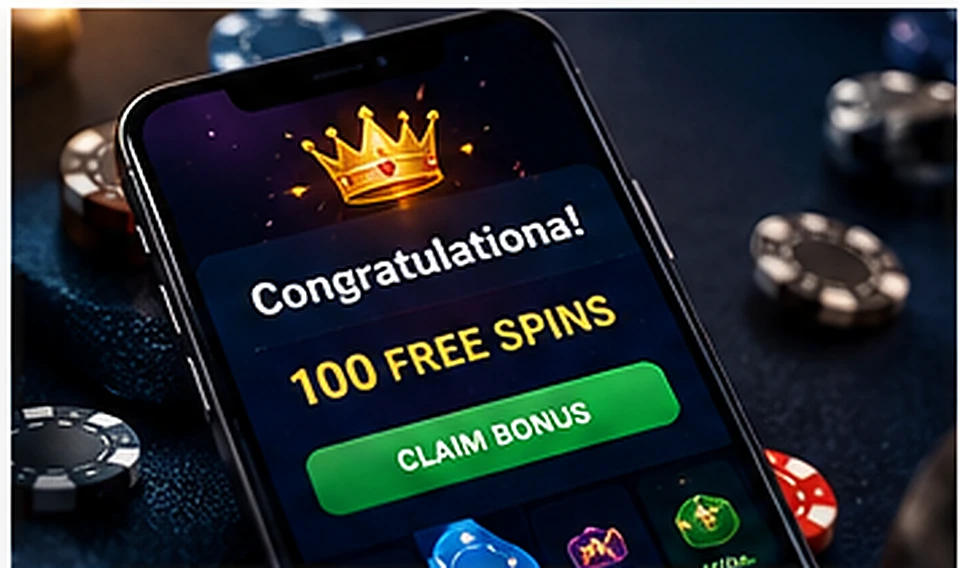
Regulations 39–45 also prohibit casino advertising through affiliate arrangements, sponsorship and personal endorsement. Labelling an influencer video “sponsored” does not make it lawful. Under regulation 3, referral arrangements that reward an affiliate for a subsequent sign-up or similar outcome differ from a payment solely for displaying a link; both must still satisfy the other advertising rules.
Casino ads cannot run during a live broadcast or in the 30 minutes either side of it. Public transport and the front page of a multi-page print publication are also off limits. Regulation 41 requires ads to be clearly identifiable as online-casino marketing without another click. Promotions that manufacture urgency or encourage prolonged play face additional restrictions.
| Claim or practice | Why it is problematic |
|---|---|
| “Free NZ$50 bonus” when a deposit or wager is compulsory | Regulation 43 prohibits presenting a conditional inducement as free or without cost when obtaining it requires betting, payment or a stake. |
| “Guaranteed wins” or “Risk-free profits” | Misrepresents gambling risk and can mislead about the probability of winning or withdrawing money. |
| “Claim before midnight or miss your chance” used to force immediate play | May create prohibited urgency or encourage impulsive gambling; an authentic expiry date is not permission to pressure customers. |
| “Keep playing to unlock your winnings” | Conflicts with the right to withdraw winnings resulting from an inducement without having to gamble those winnings again. |
| Celebrity or creator bonus code linked to paid sign-ups | Potentially prohibited endorsement and affiliate arrangements for licensed online casinos, regardless of disclosure wording. |
What bonus terms should a New Zealand player actually inspect?
A NZ$100 bonus in withdrawable cash is not equivalent to NZ$100 in restricted credit. Free spins and bonus bets may be worth less than their headline suggests. The ASA Code does not allow a prominent promise to be contradicted by conditions tucked away elsewhere.
- Eligibility: Is the offer limited to new customers, particular accounts, residents or verified adults? Does it require a qualifying deposit, promo code or minimum stake?
- Bonus type and value: Is it a welcome bonus, deposit match, free bet, free spins, cashback or a loyalty reward? What is the actual promotional value, and which balance receives it?
- Wagering requirements: Is any qualifying play required before a bonus payout? Never confuse a condition relating to promotional credit with a requirement to re-wager winnings from an inducement.
- Time limits: When does the offer expire, and how long can the customer meet its payout conditions? The new online-casino regulations require a minimum of 60 days for the latter.
- Restricted games and bets: Are certain slot games, live-dealer games, bet types, minimum odds or game contributions excluded? Online-casino inducements cannot be extended across to sports or racing betting under regulation 13.
- Withdrawals: Are any maximum withdrawal, maximum winnings, payment-method or verification conditions disclosed? Can winnings be withdrawn without being risked again?
“100 free spins” is misleading when the spin value, eligible game or winnings cap is materially restricted but concealed. Making terms available through a link cannot legalise an ad that is otherwise prohibited.
Responsible gambling: young people, vulnerable players and misleading incentives

The ASA defines children as under 14 and young people as 14–17. It looks at content, music, imagery, celebrities and likely audience. Its 25% under-18 audience indicator is one way to assess targeting, not an automatic permission threshold.
Licensed online casinos face a separate legal test under regulation 44: no ad placement where more than 20% of the expected audience is under 18. Casino ads also cannot appeal to minors or depict anyone who is, or appears to be, under 25 taking part in casino gambling. Individually targeted ads to 18–25-year-olds require additional safeguards against exposure to minors. The ASA’s 25% guidance does not replace the statutory 20% limit.
An ad cannot portray gambling as a way to repay debt, get a job, ease loneliness or gain social status. Personalised offers and VIP rewards can be especially risky when someone is chasing losses. Licensed casinos must supply spending, deposit and play-time limits, breaks, time-outs and self-exclusion; promotions must respect those controls.
Where the Secretary specifies a harm-minimisation message under regulation 7, regulation 45 governs how it appears and the language used. A small “18+” label may not be enough. No warning label can override an advertising ban.
Why TAB bonus-bet advertisements are not the same as online-casino ads
Since 28 June 2025, TAB NZ and authorised brands such as Betcha have operated within a separate framework for online sports and racing bets. Casino bonuses are not governed by that betting regime. Identical-looking “deposit match” offers can therefore have different legal outcomes.
In March 2026, the ASA did not uphold complaints about particular TAB and Betcha YouTube betting ads. Its decision considered the actual creative and audience data; it was not permission for every betting-bonus campaign.
TAB bonus bets can be subject to minimum odds, qualifying stakes, credit restrictions and expiry dates. Those terms need clear disclosure. The casino-specific NZ$100 inducement cap and withdrawal rules in regulation 13 do not automatically transfer to sports betting.
A five-point check before trusting a bonus offer
- Identify the activity and advertiser. Is this online-casino gambling, TAB sports/racing betting, a lottery or venue-based gambling?
- Verify permission to advertise. Check DIA licensing information or the relevant betting authorisation. An offshore licence, app availability or Google Ads certificate is not proof of NZ permission.
- Inspect the placement. Check the website, email, affiliate relationship, influencer endorsement and intended audience; a prohibited channel makes even accurate terms irrelevant.
- Read what the promotion costs. Compare deposit, bonus credit, eligible games, wagering conditions, expiry dates and withdrawal rights. Check whether consent and self-exclusion settings are respected.
- Keep evidence. Save a screenshot, link, date and bonus wording before reporting a questionable advertisement.
Common questions about bonus advertising rules
Is it illegal for a New Zealander to receive an online-casino bonus?
An offshore casino may serve certain existing New Zealand customers during the transition without being allowed to advertise to them. Seeing or receiving a bonus offer is not proof that its publisher acted lawfully.
Does New Zealand use the UK's 10x wagering cap?
No. The UK’s 10x wagering cap is not New Zealand law. NZ rules instead prohibit requiring a customer to wager winnings from an inducement again before withdrawing them.
Can a casino affiliate site or social media influencer promote welcome bonuses?
Not while online-casino advertising remains prohibited. After licensing begins, affiliate arrangements and personal endorsements are still prohibited advertising formats. Independent information is different, but paid referrals or advertiser control can affect what a site says.
Help with gambling and reporting unlawful ads
If gambling is affecting money, relationships or wellbeing, call Gambling Helpline via gamblinghelpline.co.nz or online live chat service. Safer Gambling Aotearoa also supports individuals and whānau.
Report suspected unlawful online-casino advertising to the DIA at onlinegambling@dia.govt.nz. The ASA handles complaints about gambling advertisements that may be misleading or socially irresponsible. Retain a screenshot, the URL, the publisher and the date when submitting a complaint.
Recommended reading
- DIA: Online gambling advertising in New Zealand
- Online Casino Gambling Regulations 2026
- ASA Gambling Advertising Code