
Self-exclusion and support options
| Topic | Current position | Practical effect | Important caveat |
|---|---|---|---|
| Operator self-exclusion | Request account closure or time-limited exclusion | Blocks access at that operator | Ask whether sister brands are covered |
| Multi-venue exclusion | Available in some land-based NZ contexts | May cover participating venues in a region | Does not automatically block offshore sites |
| Bank gambling block | Some banks offer transaction controls | Can reduce deposit access | Ask your bank about available controls |
| Support services | Safer Gambling Aotearoa and Gambling Helpline NZ | Confidential information and support | Seek urgent help if gambling is causing harm |
Examples explain how these conditions work. Check the current rules and terms that apply to you.
Self-exclusion is a formal way to stop yourself from gambling with a particular operator, at a venue or across a group of venues for a set period. In Aotearoa New Zealand, you can request an exclusion from casino gambling areas and venues with pokie machines, arrange a multi-venue exclusion (MVE), or use separate controls for TAB NZ, Lotto NZ and online gambling accounts. The right option depends on where you gamble; one request does not automatically block every gambling website or venue.
If you want to stop now, contact your nearest MVE coordinator or call the free, confidential Gambling Helpline via gamblinghelpline.co.nz (text 8006). You can ask for help without waiting for a crisis or receiving a diagnosis.
What does self-exclusion actually do?

Self-exclusion creates a practical barrier between you and a gambling activity. Instead of relying on willpower every time an urge arises, you formally ask a provider to prevent you from gambling for a chosen period. Staff can use an exclusion record to identify you and stop access to the relevant gambling area. Online systems may prevent you from placing bets, using an account or opening another account with the same provider.
It is more restrictive than a deposit limit, session reminder, take a break setting or short cooling-off period. A spending limit allows gambling within a boundary; an exclusion is intended to stop gambling altogether in its defined scope. It can be useful when repeated attempts to cut back, chasing losses, borrowing to gamble, secrecy or distress are affecting your finances, relationships, sleep or wellbeing.
Self-exclusion is a harm-minimisation measure, not a medical treatment or a guarantee that gambling will stop everywhere. It works best alongside support for the triggers, habits and financial pressures that make it difficult to stay away.
Where can you self-exclude in New Zealand?
Different gambling activities have different systems. A ban at one pokie venue does not automatically close a TAB online account, block MyLotto or cover an offshore casino site.
| Gambling activity | How exclusion works | Important limit |
|---|---|---|
| Pokie machines in pubs, clubs and hotels (Class 4 venues) | Request an exclusion order from the venue or arrange MVE for several participating venues. | An individual order is tied to specified venues and their gambling areas. |
| Land-based casinos | Ask the casino for a self-exclusion order; some casinos participate in MVE arrangements. | Casino re-entry procedures may differ after an order expires. |
| TAB NZ and Betcha racing or sports betting | Use the operator’s safer-betting or self-exclusion process for betting accounts; ask about retail coverage separately. | A TAB account exclusion is not a blanket ban on casino and lottery products. |
| Lotto NZ and MyLotto | Block online games through MyLotto settings or apply for an in-store exclusion using Lotto NZ’s process. | Online game blocking and retail-store exclusions are separate arrangements. |
| Online casino websites | Use each operator’s account exclusion tools and block other sites on your devices. | New Zealand’s licensed online-casino regime is being phased in; a nationwide online-casino register is not yet available. |
Self-exclusion from pokies and casinos: your legal rights
Under section 310 of the Gambling Act 2003, a Class 4 venue manager or casino licence holder, or an authorised representative, must promptly issue an exclusion order when a person identifies themselves as a problem gambler, asks to be excluded and provides the identification information required by the Act. This applies to the gambling area of a specified venue, rather than necessarily every room in a pub, club, hotel or casino building.
The venue can request your name, date of birth and a recent, recognisable photograph (or consent to a photograph being taken). The order records the venue and exclusion period. A clear photo helps staff recognise you if you attempt to enter the gambling area. Under the Department of Internal Affairs (DIA) guidelines, these records should be handled consistently with privacy requirements, rather than displayed publicly.
There is also venue-initiated exclusion. Sections 309 and 309A of the Gambling Act allow venue staff to act when they have reasonable grounds for concern about gambling harm. That is different from voluntary self-exclusion: your own request triggers the section 310 process; a concern raised by a partner or relative does not automatically create an order in your name, although it can prompt the venue to investigate and intervene.
How to request an exclusion order
- Identify the venues. Include places you visit regularly, plus locations near work, home or routes where you tend to gamble. You can ask about casino coverage as well as pub and club pokies.
- Choose how to make contact. Speak with an authorised staff member at the venue, or contact the venue by phone or in writing. You do not have to put yourself near the machines if that would make the request harder.
- State the request clearly. Say that you are experiencing gambling-related difficulties and want a self-exclusion order under section 310 of the Gambling Act 2003.
- Provide the required details. Have your name, date of birth and a clear current photograph ready. The venue may ask for proof of identity so it can verify the request.
- Confirm the order. Ask which gambling areas and venues it covers, the start and end dates, and how to obtain a copy. If you need several venues excluded, request MVE assistance instead of managing every venue alone.
You can bring a trusted friend, whānau member or counsellor for support. PGF Services advises that written requests are another option when visiting a gambling venue could be tempting.
Multi-venue exclusion (MVE): one process for several venues
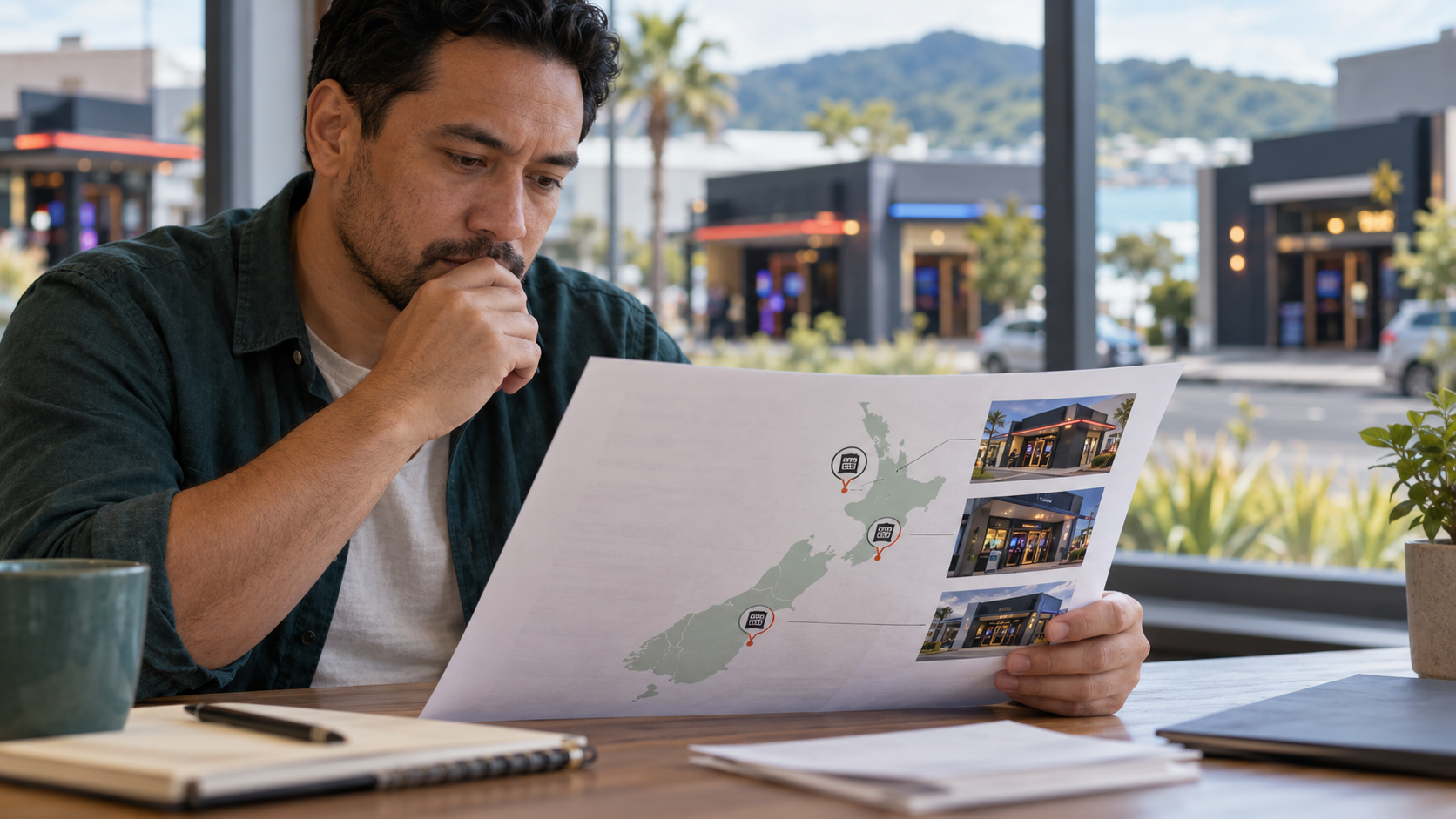
Multi-venue exclusion helps you request exclusion orders for multiple pokie venues and, where arranged, casinos, without personally visiting each one. An MVE coordinator works with you to identify the venues and districts that matter, gather identification and a photograph, and coordinate the applications. It is particularly useful if you gamble in several neighbourhoods or travel for work.
Contact the national MVE coordinator directory, PGF Services or a local gambling-harm service. Counselling can be helpful, but you do not need to complete counselling before requesting MVE. Specify all relevant venues and confirm their inclusion: MVE coordinates individual venue exclusions; it is not an automatic prohibition at every gambling location nationwide.
Information needed to administer an MVE may be shared with designated venue staff so they can enforce the orders. Ask your coordinator who will receive your details and photograph, how they are protected, and what happens when an order expires.
How long does a self-exclusion last? Can it be cancelled?
For New Zealand Class 4 venues and land-based casinos, an exclusion order under sections 309 or 310 of the Gambling Act may last up to two years. The precise period should be discussed when the order is arranged. A venue exclusion is not designed to be shortened simply because you later feel in control or decide to start gambling again. You can arrange a further order when an existing exclusion expires.
Do not assume that expiry means every venue will automatically allow you back. Some casinos have a separate re-entry process and may ask you to speak with staff first. Confirm the policy with the casino before entering. If you still need distance from gambling, renew the exclusion before the current period ends.
Online and betting products use different durations. TAB NZ describes account self-exclusion for periods of up to five years or permanently, and says account exclusions cannot be reversed. Lotto NZ offers online blocking as well as six-, 12- or 24-month options for its in-store process. Always check the current terms of the specific product rather than assuming all exclusions have the same rules.
What happens if you enter a venue while excluded?
An exclusion order is more than a personal promise. Sections 311 and 312 of the Gambling Act require relevant venue staff to remove an excluded person who enters the prohibited gambling area. Police may assist with removal when called. Entering the gambling area in breach of an order is an offence for which a person can be fined up to NZ$500 on conviction. A venue operator or responsible staff member can also face penalties for failing to issue or enforce a required self-exclusion order; section 312 specifies fines of up to NZ$5,000 for the relevant operator offences.
If you slip and enter a venue, leave the gambling area and contact your counsellor, an MVE coordinator or the Gambling Helpline. A lapse does not cancel the existing order. It may show that stronger barriers or additional support are needed, not that recovery is impossible.
Online gambling self-exclusion in New Zealand
Online exclusion needs extra care because gambling websites and apps do not all operate under the same rules. Racing and sports betting, lotteries and online casino gambling are distinct activities, even when they appear together on a phone.
TAB NZ, Betcha and racing or sports betting
Since 28 June 2025, TAB NZ is the domestic provider authorised to offer online racing and sports betting in New Zealand, including its Betcha brand. Its Safer Betting tools include account controls such as deposit and activity settings, a take-a-break option and formal self-exclusion. According to TAB’s guidance, account self-exclusion extends across Entain New Zealand associated betting brands. Confirm whether an exclusion also restricts retail betting outlets or particular TAB venues; online account blocking and venue exclusions are not interchangeable.
Lotto NZ and MyLotto
MyLotto allows customers to block individual Lotto NZ games online from account settings. Lotto NZ also has an in-store self-exclusion process, which requires a form, identity details and a photograph so relevant retailers can recognise the exclusion. Its Play Smart tools include spending limits and the ability to opt out of promotional messages. A game block, an account-level measure and an in-store exclusion should not be treated as identical.
Online casinos and New Zealand's 2026 regulatory changes
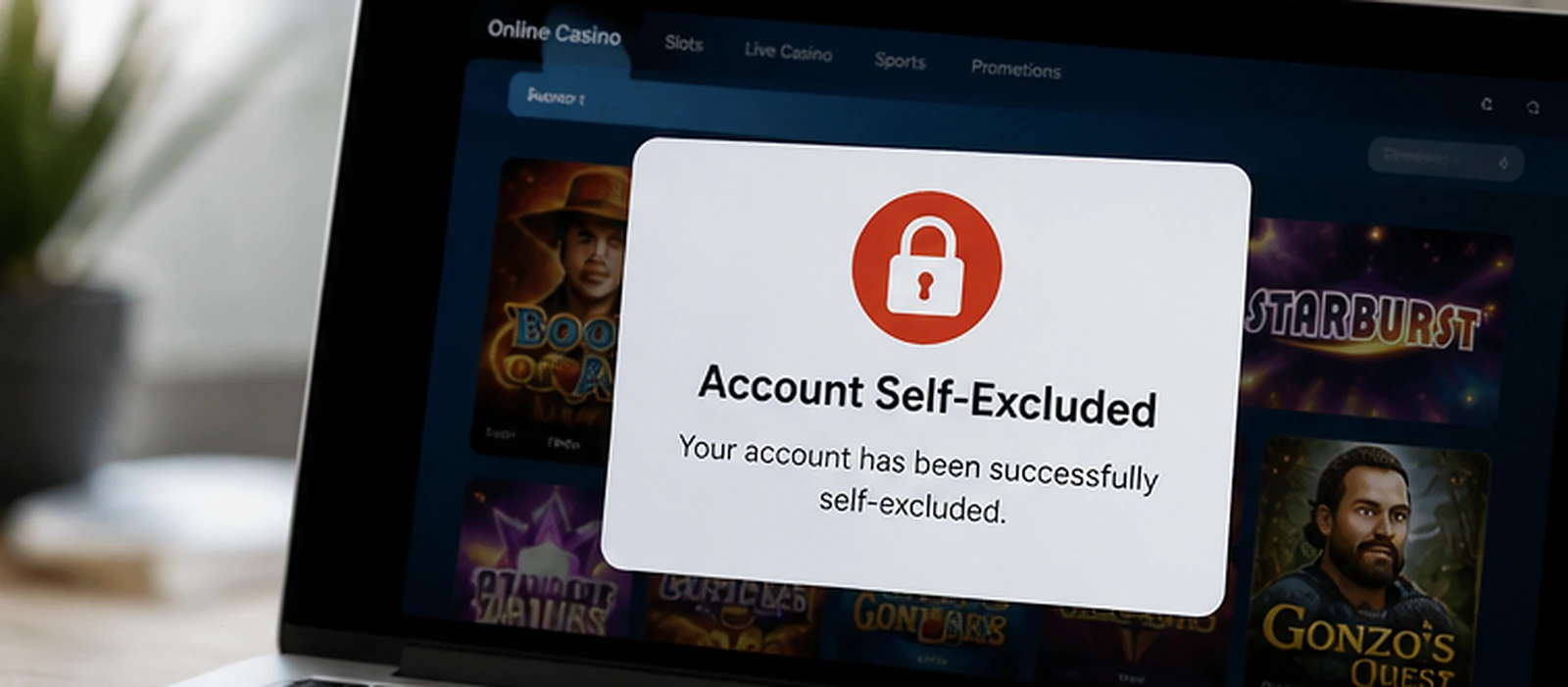
The Online Casino Gambling Act 2026 established a new licensing framework, administered by the Department of Internal Affairs. As at 16 October 2026, the regime is being introduced in stages. The DIA says that from 1 December 2026, only qualifying operators going through the licence process may continue supplying online casino gambling to New Zealand customers under transitional arrangements; licences are expected from 2027. A gambling website using “NZ” in its name is not proof that it has New Zealand regulatory approval.
Under regulation 8 of the Online Casino Gambling Regulations 2026, the new framework requires operators to make self-exclusion easy to request, allow players to choose a period including an indefinite one, and not shorten a period once set. An exclusion must take effect without undue delay and no later than 24 hours after it is elected. During exclusion, communication with the customer is restricted to what is necessary for legal compliance. After the exclusion period, gambling cannot resume until the customer actively confirms the decision to return and a further 24 hours have passed.
The rules also address customer funds. Under regulation 21, uncommitted funds must be returned if a customer has been excluded, subject to applicable legal requirements. Ask the operator for the withdrawal method and confirmation of any outstanding balance; do not gamble again simply to try to retrieve funds.
There is not yet an operating New Zealand-wide online-casino self-exclusion register. The 2026 Act requires the Minister to recommend regulations establishing one by 1 December 2027. That is a deadline for a regulatory step, not a promise that a functioning register is available today. Until a national system is operational, check which individual platforms and brands your requests cover. The latest transition information is available from the DIA's online-gambling information for players.
Do GAMSTOP or BetStop work for New Zealand players?
GAMSTOP is the self-exclusion service for gambling operators licensed in Great Britain. BetStop is Australia's national register for Australian-licensed online and telephone wagering providers. They are examples of multi-operator systems, but neither is a universal New Zealand gambling ban. Joining an overseas scheme should not be assumed to block TAB NZ, MyLotto, New Zealand casinos or every offshore website accessible from New Zealand.
Even where an operator belongs to a foreign scheme, protections depend on its licence, the programme's eligibility rules and which brands are enrolled. New Zealand residents seeking immediate coverage should use the relevant local provider's own controls and add separate website, app and payment barriers.
Make self-exclusion harder to bypass
Exclusion covers a defined operator or venue; urges may shift to a different platform, game or payment method. Combining several safeguards reduces these gaps:
- Block access on devices. Tools such as BetBlocker and Gamban are designed to restrict gambling sites and apps. Set them up on the phone, computer and tablet you actually use.
- Restrict gambling payments. Some New Zealand banks provide card-level gambling blocks. For example, ANZ's goMoney card settings include an online-gambling toggle and a 48-hour delay before reactivation. Bank blocks can have exceptions, so confirm what transactions are covered.
- Remove prompts to gamble. Unsubscribe from promotions, disable push notifications, delete betting apps and remove saved card details. Where an operator owes a refund, ask for account-servicing contact rather than marketing.
- Protect money needed for essentials. Separate rent, food and household bills from discretionary spending. If debt is building, ask a free budgeting adviser or the Gambling Debt Helpline about a repayment plan.
- Plan for high-risk moments. Note the situations that trigger gambling—payday, alcohol, stress, loneliness, sport or late-night phone use—and agree on a specific alternative with someone you trust.
Blocking software and bank controls can help, but they may not stop every payment or website. Exclusion cannot reverse past losses or automatically resolve debt, relationship strain or distress. Those may need separate attention.
Will self-exclusion affect your privacy, winnings or other accounts?
Personal information: A venue needs enough data to recognise and enforce an order. That can include your name, birth date, photograph, nominated venues and exclusion period. This is sensitive information. Ask how it is stored, which employees or MVE partners can access it, and how a privacy concern can be raised.
Existing balances: Online casino rules under the new New Zealand regulatory framework require the return of uncommitted customer funds when a customer is excluded. Rules for pending bets, unsettled transactions or prizes vary by product. Request a written account statement and the operator's withdrawal instructions; keep copies of messages and transaction records.
Other gambling accounts: A venue order generally does not close an unrelated online account. Likewise, blocking a Lotto NZ game will not automatically affect TAB NZ or casinos. List every service you use and deal with each separately.
Credit and employment: Self-exclusion is not itself a credit default or a gambling conviction. However, existing debts, missed repayments or a breach of an enforceable venue order can create separate consequences. If this is a concern, discuss your circumstances with an appropriate adviser rather than assuming an exclusion automatically changes your credit record.
What if an operator refuses your request or allows you to gamble?
For pokie venues and land-based casinos, make the request again in writing and state that it is under section 310 of the Gambling Act. Include the identification details the law permits the venue to require. Retain a copy, the time you contacted the venue and any response. If you are told to return later or are refused without a clear reason, contact the DIA or ask a gambling-harm service to help you raise the issue.
For online platforms, save screenshots of the exclusion request, any confirmation, promotional messages received afterward and any bets the system allowed. Use the operator's complaints process. Once the New Zealand online-casino licensing system is operating, the DIA will also provide a regulatory complaints route for licensed operators. An offshore site that is not within the New Zealand framework may offer fewer practical remedies.
Can a partner or family member arrange self-exclusion for someone else?
A voluntary self-exclusion is normally requested by the person who gambles. Whānau, partners and friends cannot simply sign a binding self-exclusion order in another adult's name. They can, however, tell a casino or pokie venue about observed gambling harm. Venue staff have separate duties to recognise and respond to indicators of harm and may initiate exclusion where the statutory conditions are met.
Someone supporting a loved one can contact a free gambling-harm service for advice, even if the person gambling is not ready to seek help. Family and whānau support may include safety planning, protecting shared finances, discussing boundaries and accessing counselling. The aim is practical protection and support, not punishment.
Free and confidential gambling help in New Zealand

You do not need to prove addiction, lose a certain amount of money or wait for an exclusion order to speak with someone. Support can involve counselling, peer support, culturally appropriate services, budgeting advice and help applying for an MVE.
- Gambling Helpline: Call via gamblinghelpline.co.nz or text 8006. Free, confidential support is available nationwide.
- PGF Services: Call via pgf.nz or visit pgf.nz for counselling and advice. PGF works with services including Asian Family Services and Mapu Maia.
- Multi-Venue Exclusion coordinators: Find local assistance through multivenueexclusion.org.nz.
- Safer Gambling Aotearoa: See safergambling.org.nz for practical tools, support services and resources for whānau.
- Gambling Debt Helpline: Call for help connecting with budgeting support.
Self-exclusion is often most effective when the ban begins alongside a plan for what happens when gambling feels tempting again. Keeping the barrier in place, checking its coverage and arranging support before it expires can make the next decision easier.
Self-exclusion FAQs
Can I self-exclude without going inside a casino or pokie venue?
Yes. New Zealand guidance recognises written and telephone requests. You may need to verify your identity and provide a suitable photograph. An MVE coordinator can help arrange exclusion from several venues without requiring you to visit them all.
Does self-exclusion apply across all New Zealand gambling sites?
No. Land-based exclusion orders cover specified gambling venues or areas, and online controls cover the relevant provider or product. New Zealand's proposed national online-casino self-exclusion register is not yet an active nationwide service as at October 2026.
Can I reverse a two-year pokie or casino exclusion after six months?
No. A venue exclusion cannot be shortened simply because you change your mind. Discuss the term before the order is made and arrange another exclusion if you need continued protection at expiry.
Will a self-exclusion automatically remove gambling advertisements?
Not everywhere. Particular operators may suppress marketing to excluded customers, and the 2026 online-casino regulations restrict communications under the new framework. Advertising from unrelated websites, search results or social media may still appear; disable notifications and marketing preferences separately.
What if I gamble online even though I have excluded myself from a venue?
Your venue order remains in effect, but it may not cover the online operator. Exclude from the online account separately, install blocking software, consider a bank gambling block and contact a support service to review the gaps in your plan.
Is self-exclusion free?
Requesting a venue exclusion or arranging MVE help through gambling-harm services does not require paying to gamble or entering a paid treatment programme. TAB, Lotto NZ and individual online services provide their own safer-gambling controls; check each provider's current process.