
Casino licence types and player protections
| Topic | Current position | Practical effect | Important caveat |
|---|---|---|---|
| DIA licence | Issued under NZ regime | NZ regulatory oversight and local complaint path | Check official DIA register after licences are granted |
| Application exemption | Transitional permission while assessment is pending | Temporary operating status | Not equivalent to a final licence |
| MGA / UKGC | Foreign regulator licence | External oversight; rights depend on regulator | Does not make operator NZ-licensed |
| Other offshore licence | Foreign jurisdiction | Protections and dispute routes vary widely | Verify regulator and actual licence holder |
Examples explain how these conditions work. Check the current rules and terms that apply to you.
For New Zealand players, the distinction is not where a casino is based but whether it may serve NZ customers and who can intervene when a payout or gambling-harm complaint goes wrong. An offshore operator may hold a genuine foreign licence without NZ authorisation. Neither licence guarantees a payout, protects every balance or eliminates harm.
Regulatory position checked: . The New Zealand licensing regime is still in transition.
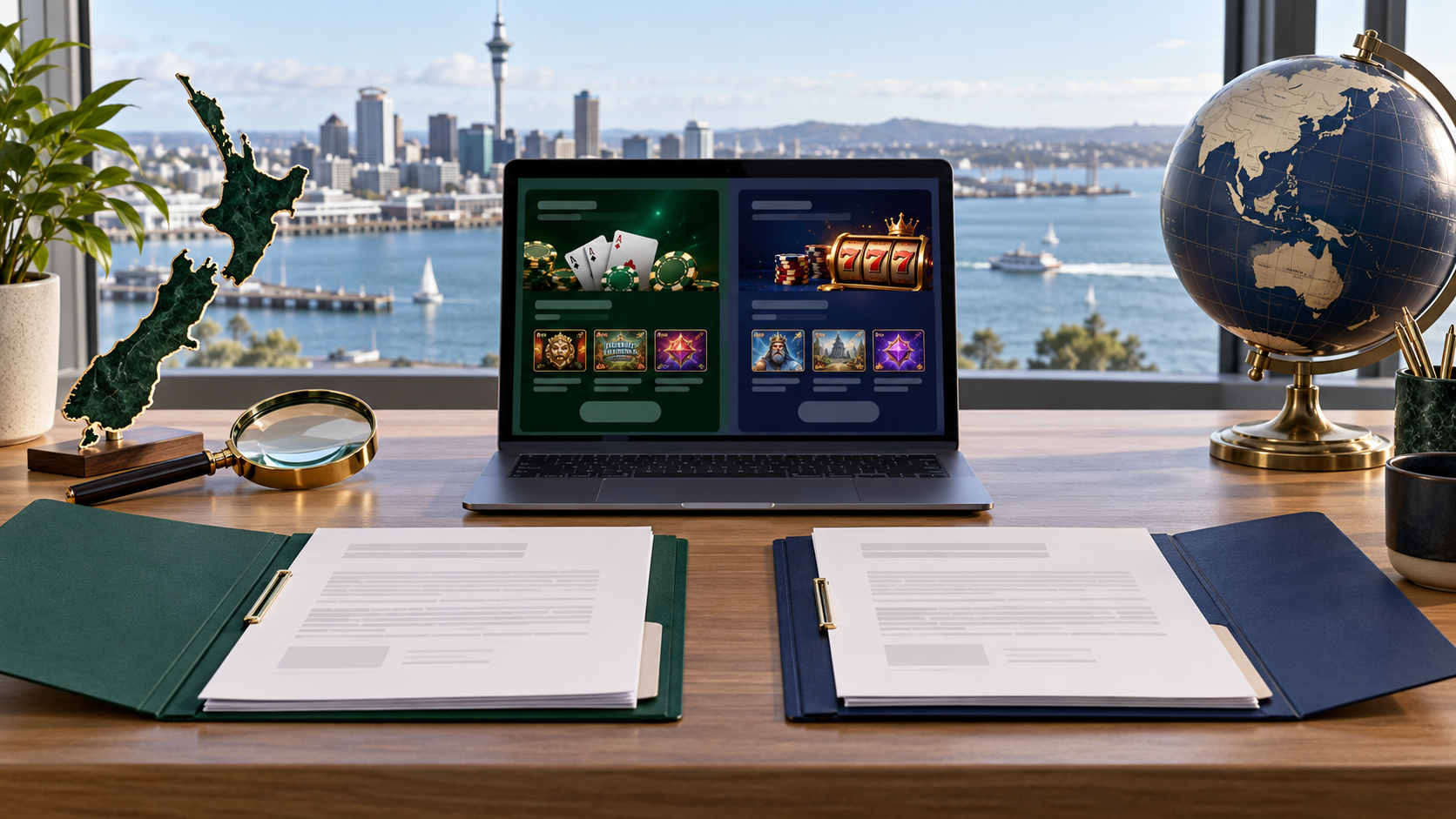
The distinction that matters: licensed where?
Licensed refers to a regulator’s permission; offshore refers to a business operating across borders or holding its licence abroad. One casino can be both. An overseas company could ultimately secure an NZ casino licence, but a Malta or Curaçao licence does not itself permit operation in New Zealand under the new regime.
Before trusting a logo, find the licensed legal entity, confirm that the registered permission covers the casino’s exact website, and check whether it covers people physically in New Zealand.
| Status | What it establishes | What it does not establish |
|---|---|---|
| New Zealand-licensed online casino | Once licences are granted, the brand must meet the NZ licensing, consumer-protection and harm-minimisation framework. | It does not guarantee winnings, eliminate gambling harm or insure every account balance. |
| Offshore casino with an overseas licence | An identifiable foreign regulator may oversee the operator under its own rules. | That foreign permission is not a New Zealand licence; remedies for NZ customers depend on the regulator, licence scope and applicable rules. |
| Casino without verifiable authorisation | No independently confirmed regulator or accountable licensed entity has been established. | Claims of game audits, secure deposits or independent dispute resolution should not be accepted on trust. |
As at 16 October 2026, no list of approved NZ online casino brands is yet available. The Department of Internal Affairs (DIA) expects to issue its first licences in early 2027. Winning the 2026 auction meant earning a right to apply, not passing the final suitability assessment.
New Zealand's 2026 transition: the dates that change the answer
The Online Casino Gambling Act 2026 took effect on 1 May 2026. The Online Casino Gambling Regulations 2026 and DIA minimum standards describe what future licensees must meet. None of this means the offshore sites currently operating have already received NZ licences.
- From 1 May 2026: online casino advertising directed at New Zealand customers is prohibited during the transition. Providers already serving the NZ market before that date may continue under the statutory transitional arrangements; this is not an invitation for new operators to enter.
- 12 October 2026: the auction concluded. Eleven entities secured rights to apply for up to 15 licences. An auction result is a place in the application process, not a regulatory approval for a casino brand.
- From 1 December 2026: operators without a licence application must stop offering online casino gambling in New Zealand. Those with a qualifying application under consideration may continue temporarily without advertising, pending a decision.
- Early 2027 onward: the DIA expects to issue the first licences and publish a public register of licensed operators and brands, with a recognisable registration icon.
For updates, use the DIA’s information for online casino customers and licensing timetable for providers. An application is not a licence, and temporary permission is not final approval.
Casino licences do not cover online sports or racing betting. From 28 June 2025, TAB NZ has the relevant exclusive domestic position for those betting services under a separate legal arrangement.

What NZ licensing changes for the player
These licensed-operator standards affect identity checks, gameplay, withdrawals, complaints and stopping play. Do not assume that an offshore platform operating under 2026 transitional rules already meets them.
Identity, age and location checks
A New Zealand licensee must verify customers and keep under-18s off the platform. Know Your Customer (KYC) checks may ask for identity, age, address and payment ownership; anti-money-laundering and counter-terrorism-financing duties may require further evidence. The DIA’s minimum standards also cover checks that users are physically in NZ, measures against VPN-based location masking, and multi-factor authentication for sensitive account actions.
Identity checks can delay legitimate withdrawals. Look for clear documentation requests, secure handling of personal information and a route to dispute excessive delays. “No KYC ever” is a warning to investigate, not a safety credential.
Money in the account, withdrawal rules and insolvency
NZ regulations require licensed casinos to hold uncommitted customer funds in a separate bank account, provide balances and playing histories, and let customers request withdrawals. Once a withdrawal is pending, the player must not be able to cancel it. Operators must pay without undue delay after legal checks and cannot impose oppressive or unjustly burdensome withdrawal terms.
A separate customer-funds account is not deposit insurance. Ring-fencing does not guarantee repayment if a casino fails. The UK Gambling Commission's guidance on customer funds explains different UK levels of protection; those ratings must not be applied to New Zealand.
Before depositing offshore, inspect payment and e-wallet options, withdrawal ceilings, currency costs, KYC timing and dormant-account rules. Also check what its regulator can actually do about a delayed payment. “Approved” on-screen is not money received in an NZ bank account.
Game fairness and return to player
Licensed sites must publish game rules and applicable odds or return to player (RTP). New Zealand rules also require fair game results and protections against tampering. For online pokies, the player must start each round, and at least 2.5 seconds must pass before the next round can start.
A 96% return to player (RTP) is not a promise that NZ$100 in bets will return NZ$96 during one session. RTP concerns a long run of play. An “independently tested” logo matters only if the certificate covers the relevant operator, game or system.
Time-outs, deposit limits and self-exclusion
NZ rules call for daily, weekly and monthly time, deposit and spending limits, break options, time-outs, reminders and self-exclusion. Certain limit increases or removals must wait at least 24 hours. Operators must respond to signs of harm and limit features such as autoplay and playing multiple online slot games simultaneously.
Self-exclusion at one foreign casino may leave other sites untouched, including those supervised by the same regulator. GAMSTOP covers participating Great Britain-licensed online services, not every offshore casino reachable from NZ. Anyone trying to stop needs controls covering the accounts they actually use.
Complaints and enforcement
Every NZ licensee must keep a complaints register and a complaint-handling procedure. If the casino’s answer is inadequate, the player can take a regulatory complaint to the DIA under the new framework, which has investigation and enforcement powers. Offshore disputes may instead have to follow foreign rules and be directed at an overseas legal entity.
The UK Gambling Commission requires independent alternative dispute resolution (ADR) for unresolved eligible complaints. The Malta Gaming Authority accepts player complaints. A New Zealander must still check whether the particular foreign licence and complaint scheme cover them.
Why offshore licences vary—and why a logo proves very little
Offshore licences come from very different systems. The UK Gambling Commission (UKGC), Malta Gaming Authority (MGA), Curaçao Gaming Authority (CGA) and Kahnawà:ke Gaming Commission set their own obligations and complaint procedures. Some casinos also advertise Anjouan registration or certificates. The jurisdiction’s name does not establish what protection a particular customer can enforce.
Look up the legal company, trading name, domain and status in the UKGC business register or MGA licensee register. If you cannot confirm the details in an independent record, a casino badge cannot fill the gap.
Offshore operators may advertise larger welcome bonuses, VIP treatment, extra games, fewer checks or cryptocurrency deposits. None measures regulatory protection. Crypto payments can be difficult to reverse, and bonus wagering requirements may delay withdrawal. Treat promises of fast payouts as unproven unless there is reliable payment evidence.

A six-step licence and safety check
- Identify the operator. Find the legal entity in the terms and conditions, not just the casino brand or an affiliate review.
- Verify the exact domain. Search the licensing authority's independent register. A real company licence does not necessarily cover a lookalike website or a different brand.
- Check NZ eligibility. For the transition, verify the DIA's published position. When NZ licences start, match the casino against the DIA public register rather than an auction or application announcement.
- Test the withdrawal conditions before depositing. Read verification, minimum and maximum payout rules, pending withdrawal handling, payment method restrictions, fees and bonus wagering terms. Watch for terms that make withdrawals conditional on new deposits.
- Find the dispute and harm-control tools. Look for accessible transaction history, limits, time-outs, self-exclusion and a specific complaint escalation path. Check the foreign regulator's scope instead of assuming it will accept a complaint from an NZ resident.
- Stop at a failed check. An unverifiable licence, untraceable legal operator, request to use someone else's identity, pressure to bypass geolocation, or demand for an extra payment to “release” winnings is a reason not to proceed.
Already have money in an offshore casino?
After the 1 December 2026 deadline, some offshore casinos may stop serving NZ players while balances or complaints remain unresolved. Only qualifying applicants can rely on the relevant temporary continuation rules; not every existing site qualifies.
- Check the operator's identity and current NZ operating position against DIA information. Do not rely on a casino's claim that it is “pre-approved”.
- Save the account balance, deposit receipts, transaction history, withdrawal reference numbers, messages and the applicable terms and conditions.
- Request withdrawal of eligible, uncommitted funds through the ordinary process. Avoid placing more bets merely to access an existing balance.
- If verification is requested, use the operator's documented secure process and keep records of each submission. Do not send passwords or one-time security codes to a support agent.
- If payment stalls, lodge a written complaint stating the transaction, amount in NZD or original currency, dates, reason given and the remedy sought. Escalate only through an independently verified regulator or dispute service with jurisdiction over the operator.
- If fraud is suspected, speak with the relevant bank or payment provider promptly about any available payment dispute process. Reversal rights depend on the transaction and payment method; a chargeback is not guaranteed.
Do not try to recover money by disguising your location with a VPN or creating a second account. Both can complicate verification and a dispute; neither creates a right to a payout. Keep documentation instead.
Where licensing does not remove the risk
Licensing can make casinos answer for misconduct; it cannot turn play into a reliable income source. Online pokies, roulette, blackjack and live-dealer games have different rules, but each exposes the player to a house edge or another lasting commercial advantage. An RNG certificate or jackpot does not remove the risk of losing.
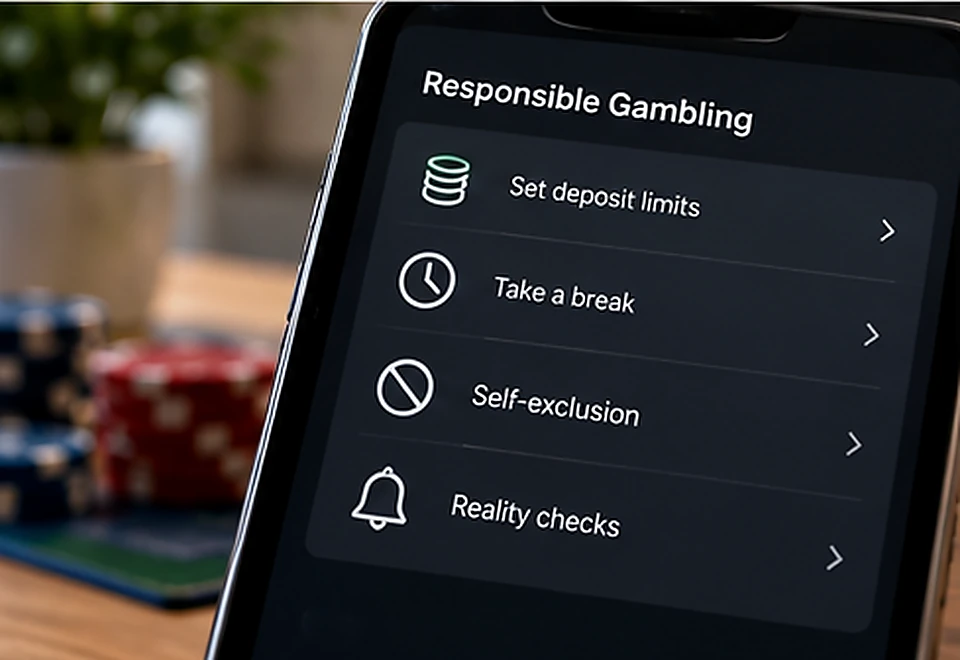
A “Set a limit” button is not proof that a casino protects players. The limits must work; exclusion must cover the stated accounts; support must respond; and operators need to act on signs of harm. Fast gameplay, 24-hour access and tailored promotions make spending harder to keep track of.
When play leads to debt, secrecy, relationship problems or chasing losses, the safer choice may be not to open an account. Neither an NZ licence nor an offshore one cancels that risk.
Common questions from NZ players
Is it legal for a New Zealander to use an offshore casino in October 2026?
A player’s participation and an operator’s permission to offer a casino are different legal questions. On 16 October 2026, certain offshore providers operating before 1 May can continue temporarily, without advertising to New Zealanders. The position tightens from 1 December; the operator, product and date determine which rules apply.
Can an MGA, UKGC or Curaçao licence replace an NZ licence?
No. An MGA, UKGC or Curaçao licence might establish foreign oversight, but the casino still needs the relevant permission under New Zealand’s online casino framework. Verify the two positions separately.
Are licensed casinos obliged to pay every winning claim?
A valid winning claim depends on the game rules and law. Identity checks, disputed play, game errors and bonus restrictions can lead to a complaint. A licence provides rules and a route for complaints; it does not guarantee a favourable ruling or insure the player’s balance.
Does “no verification” mean withdrawals will be easier?
Not always. Some sites accept deposits first and request documents only when a withdrawal is made. Read the KYC terms before funding an account and identify the route for disputing a delay.
Are crypto casinos or anonymous payments safer?
No. Cryptocurrency does not change the game’s odds. Transfers may be irreversible, prices fluctuate and cross-border recovery can be difficult. Crypto acceptance proves neither a foreign licence nor NZ authorisation.
Will one self-exclusion stop all online casinos?
No. Self-exclusion can be limited to certain brands, operators or services. GAMSTOP covers Great Britain-licensed online gambling rather than every offshore casino. NZ support services can help identify additional barriers for accounts and payments.
Help with gambling in Aotearoa New Zealand
Free, confidential help is available from the Gambling Helpline: call via gamblinghelpline.co.nz or text 8006. Safer Gambling Aotearoa and PGF Services support people affected by gambling, including whānau.